
Granite is extremely durable once it is installed, supported, and used correctly. During moving, however, it can still crack, chip, or break if it is lifted the wrong way or placed under uneven pressure.
Heavy stone should never be treated like a regular board or piece of furniture. It needs support across its length, protection around weak areas, and careful movement from the shop to the home.
This guide explains how to prepare, lift, carry, secure, and move heavy counters safely. It is useful for understanding why professional handling matters and why most homeowners should not try to move large stone pieces without help.
What Is the Safest Way to Move a Heavy Stone?
Stone should usually be moved vertically rather than flat. Carrying a large piece flat can create stress in the center and increase the risk of cracking.
Long sections need even more support. If one area hangs unsupported or carries too much pressure, the piece may crack during lifting or transport.
Twisting is dangerous for heavy stones. The people carrying the piece should move together, communicate clearly, and avoid sudden turns or uneven lifting.
Sink and cooktop openings are more vulnerable than solid sections. These areas need extra support because they have less material around them.
Movement inside a vehicle can cause chips, cracks, or broken corners. Stone should be padded, stabilized, and secured so it does not shift during transport.
How Should Stone Be Prepared Before Moving?
Before anything is lifted, each piece should be checked for cracks, chips, weak corners, and fragile cutouts. Existing damage should be noted before movement begins.
The surface edges are vulnerable during loading, unloading, and carrying. Padding can help protect corners and exposed areas from impact.
Moving blankets, foam, rubber pads, and other protective materials can reduce vibration and contact damage. Padding should be placed where the stone touches supports, straps, or the vehicle.
Doorways, stairs, turns, hallways, and tight spaces should be checked before moving starts. A clear path reduces stopping, twisting, and awkward handling.
The vehicle should have suitable support and enough space for the stone to remain upright and stable. A flat pickup bed without proper structure is usually not enough for large pieces.
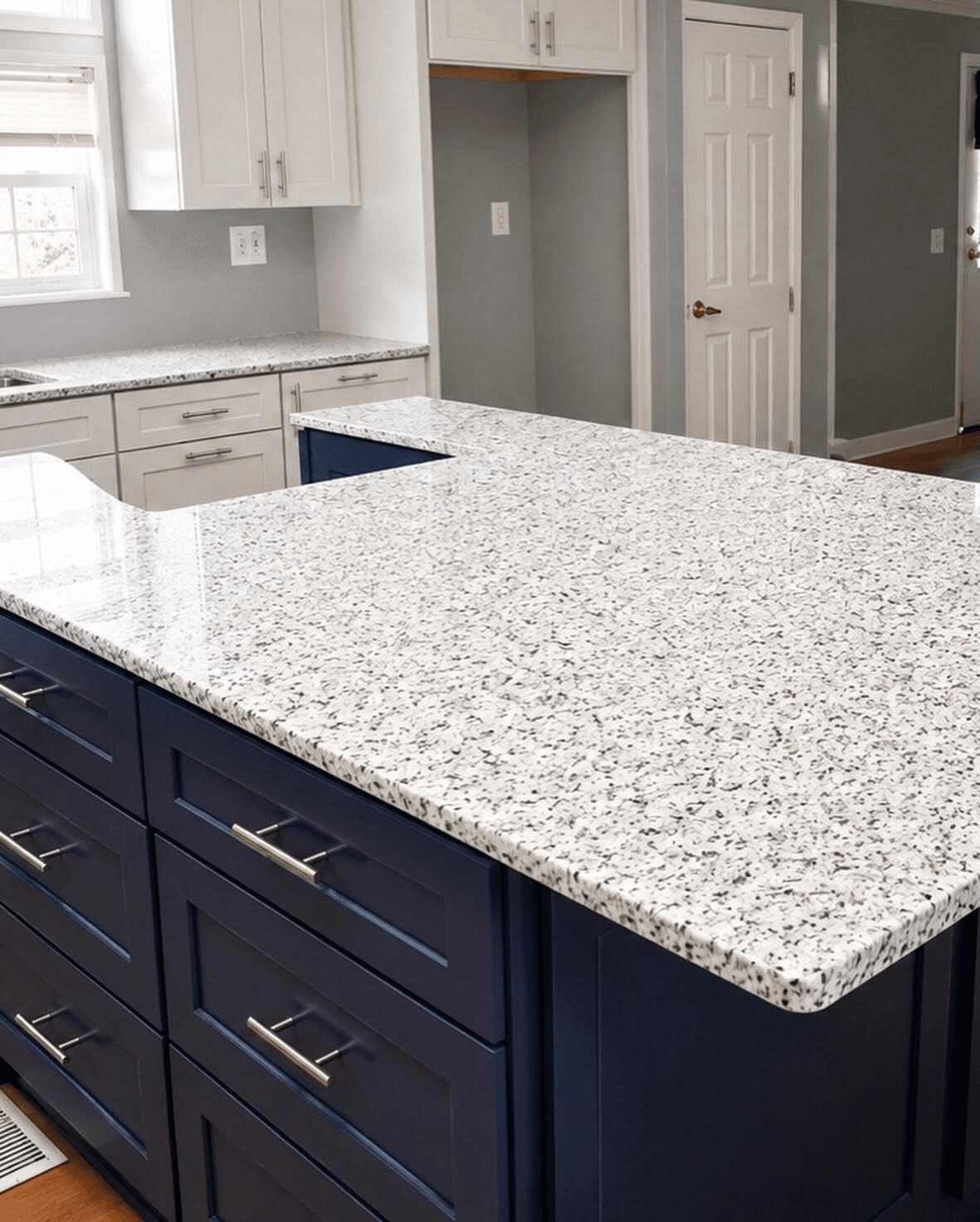
What Equipment Is Needed to Carry Stone Counters?
A-Frame Supports
A-frame racks help hold heavy slabs in a vertical position. They are commonly used because they support the material more safely than laying it flat.
Slab Dollies
Dollies designed for stone can help move heavy pieces across flat areas. They reduce lifting strain and help crews maintain better control.
Suction Cups
Professional suction cups can help workers grip and guide smooth surfaces. They are useful for control, but they do not replace proper lifting technique.
Lifting Straps
Lifting straps can help distribute weight across multiple people. They should be used carefully and only by people who understand the load.
Protective Materials
Blankets, edge guards, foam, and rubber pads help reduce contact damage. They are especially important for corners, finished sides, and polished edges.
Suitable Vehicles
The right vehicle matters. Crews may use racks, supports, and tie-down systems designed for stone countertops and heavy slab materials.
How Can Cracks and Chips Be Prevented?
Large pieces are too heavy and awkward for one person. They require coordinated lifting and clear communication.
Cutouts, narrow strips, corners, and seams should not take the full weight of the piece. These areas are more likely to crack when stressed.
When crews transport stone, the material should not bounce, slide, or lean without support. Stability during the drive is just as important as careful lifting.
Improper stacking can place uneven pressure on the slab. Pieces should be separated, padded, and supported based on their size and shape.
Speed increases the risk of mistakes. Loading, unloading, and carrying should be done slowly enough for the team to correct movement and protect the material.
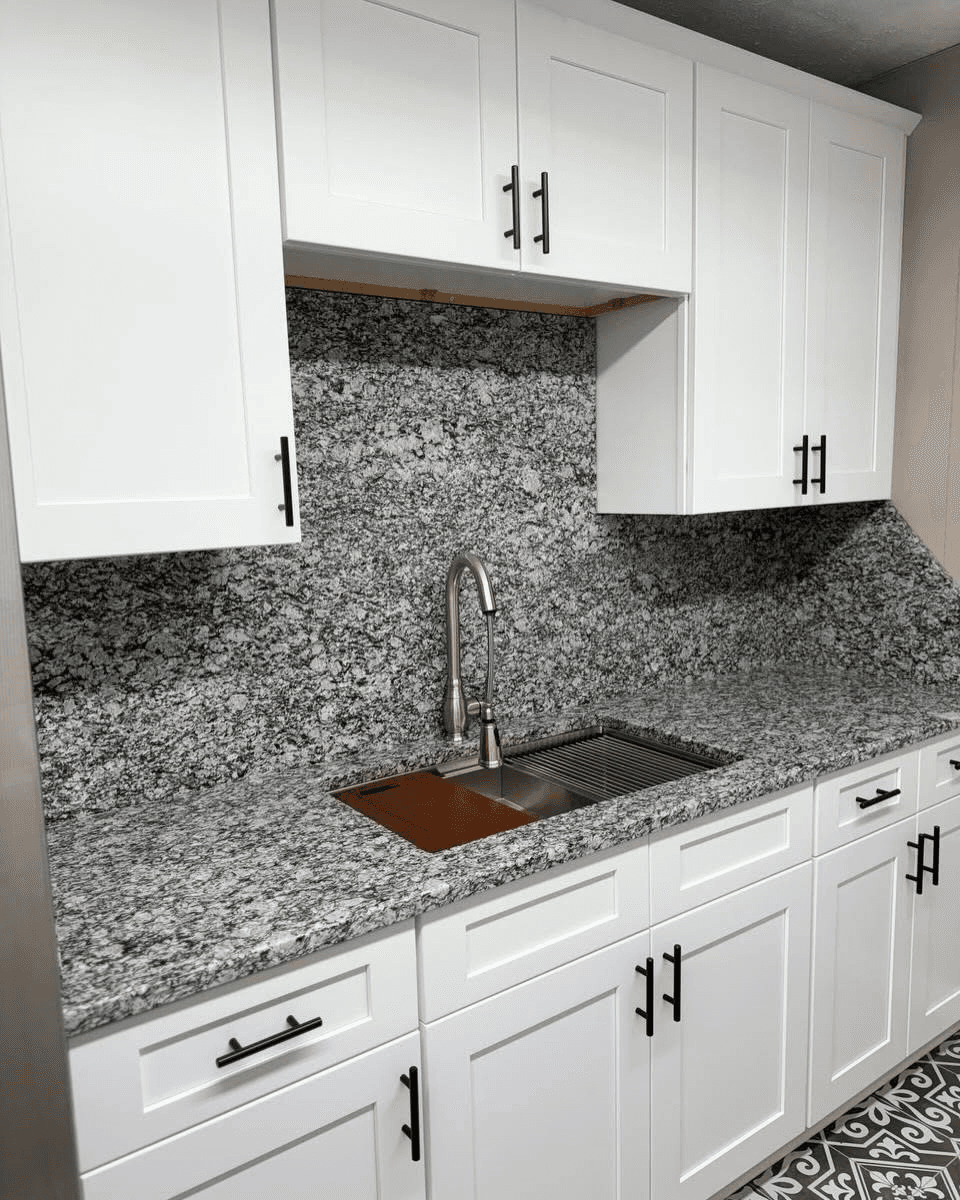
Common Mistakes to Avoid
A large stone piece should not be laid flat across an unsupported surface during movement. This can put stress on the middle of the slab and increase the chance of cracking.
Lifting only from the ends can create uneven pressure. The weight should be shared and controlled across the piece.
Corners, stairs, and narrow hallways need patience. Rushing through these spaces can lead to wall damage, chipped edges, or sudden shifts in weight.
Before delivery, the path into the home should be reviewed. Measuring openings and clearing obstacles can prevent delays, reduce risk, and help the crew work with better control.
Why Professional Transport Is Usually Best
Granite slabs are difficult to move because they are heavy, rigid, and valuable. A small mistake can lead to expensive damage or serious injury.
The same handling principles often apply to marble, quartzite, and engineered stone. Each surface has its own risks, but weight, support, and protection always matter.
Even if a piece arrives safely, it still needs to be positioned correctly on the cabinets. Poor support or rough placement can create problems later.
Experienced teams use the equipment, vehicles, and handling methods needed for stone countertops. This reduces the risk of broken material, damaged property, and unsafe lifting.
East Coast Granite of Upstate can help homeowners plan safe delivery, fabrication, and installation. With professional handling, heavy stone surfaces can arrive safely and be installed with a clean, secure finish.