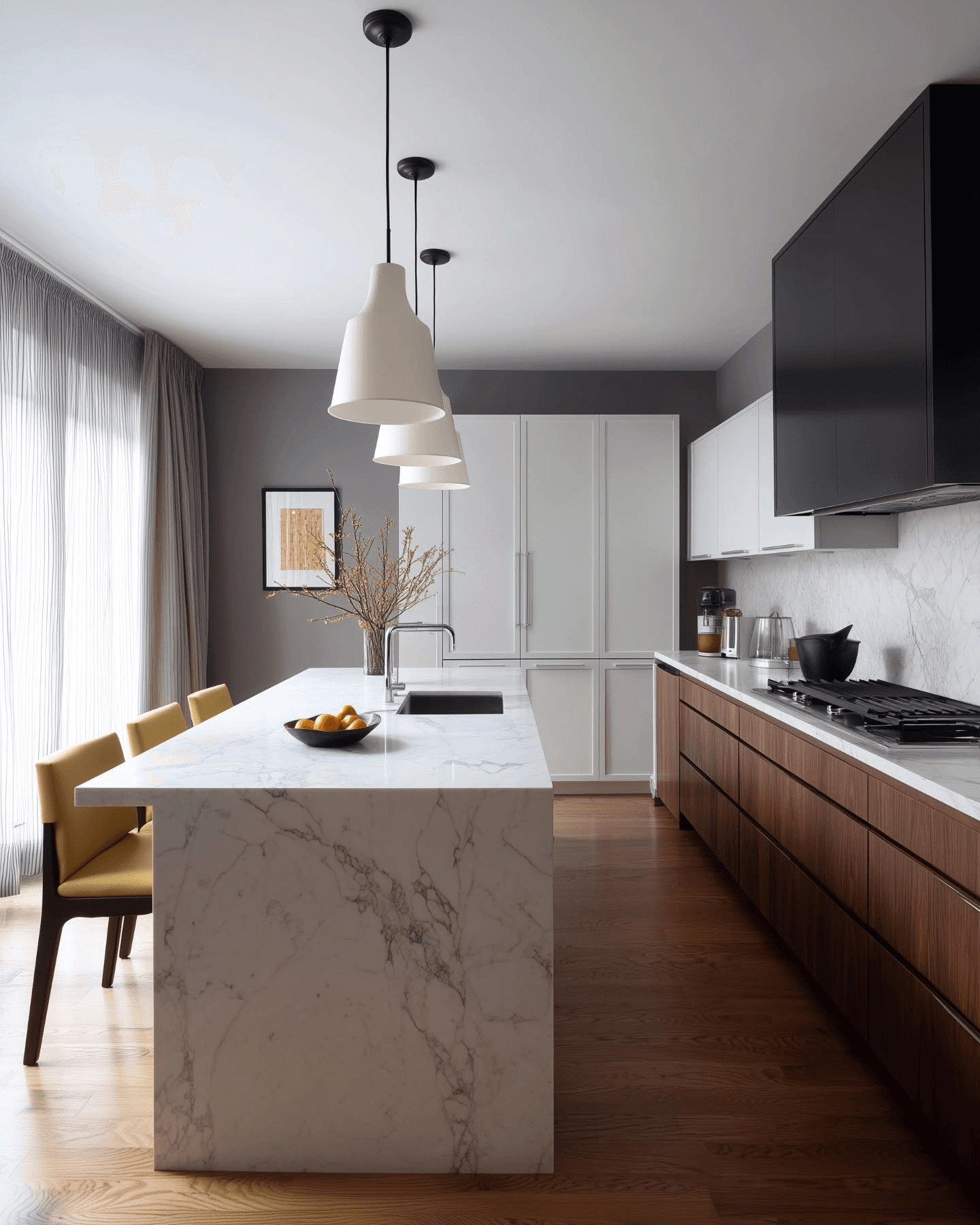
Durability is one of the most important factors to consider when choosing a new countertop. A surface may look beautiful in the showroom, but it also needs to handle daily use, cleaning, heat, spills, scratches, and impact over time.
The right kitchen countertop can improve both function and style. It can also add long-term value to a home improvement project. Different materials offer different levels of strength, maintenance, and resistance to damage, so it is important to compare them before making a decision.
Popular countertop options include granite, quartz, quartzite, marble, solid surface, soapstone, laminate, and butcher block. Each material has advantages depending on the room, lifestyle, budget, and maintenance expectations.
This guide compares durability, care needs, lifespan, and best-use scenarios to help homeowners choose the right surface. East Coast Granite of Upstate offers expert guidance, quality materials, and professional installation for homeowners who want countertops that look great and perform well for years.
What Makes a Countertop Durable?
Scratch Resistance
Scratch resistance is one of the first signs of durability.
Busy kitchens need surfaces that can handle food prep, dishes, appliances, and daily movement. Granite, quartz, and quartzite are strong choices because they resist scratches well under normal use.
Still, cutting boards should always be used. Even a strong countertop material can be damaged by careless use over time.
Heat Resistance
Heat resistance matters in kitchens, laundry rooms, and outdoor cooking areas.
Granite, quartzite, and soapstone handle heat better than many other surfaces. Quartz is durable, but direct heat from hot pans can damage the resin in the surface.
Using trivets or hot pads is still the safest habit for every countertop.
Stain and Moisture Resistance
A durable surface should also resist stains and moisture.
Quartz is non-porous, so it does not need sealing and is easy to clean. Granite, marble, quartzite, and soapstone are natural stone materials that may need sealing depending on the type and finish.
In bathrooms, laundry rooms, and kitchens, moisture resistance is especially important.
Impact Strength
Impact strength refers to how well a countertop handles drops, chips, and heavy objects.
Granite and quartzite are very strong, but edges and corners can still chip if hit hard. Solid surface can scratch more easily, but small damage is often easier to repair.
The best material depends on how the space is used every day.
Installation and Daily Care
Durability is not only about the material.
A countertop’s lifespan also depends on professional measuring, fabrication, installation, sealing, and regular care. Poor installation can lead to weak seams, uneven support, or early damage.
Good installation helps the surface perform the way it should.
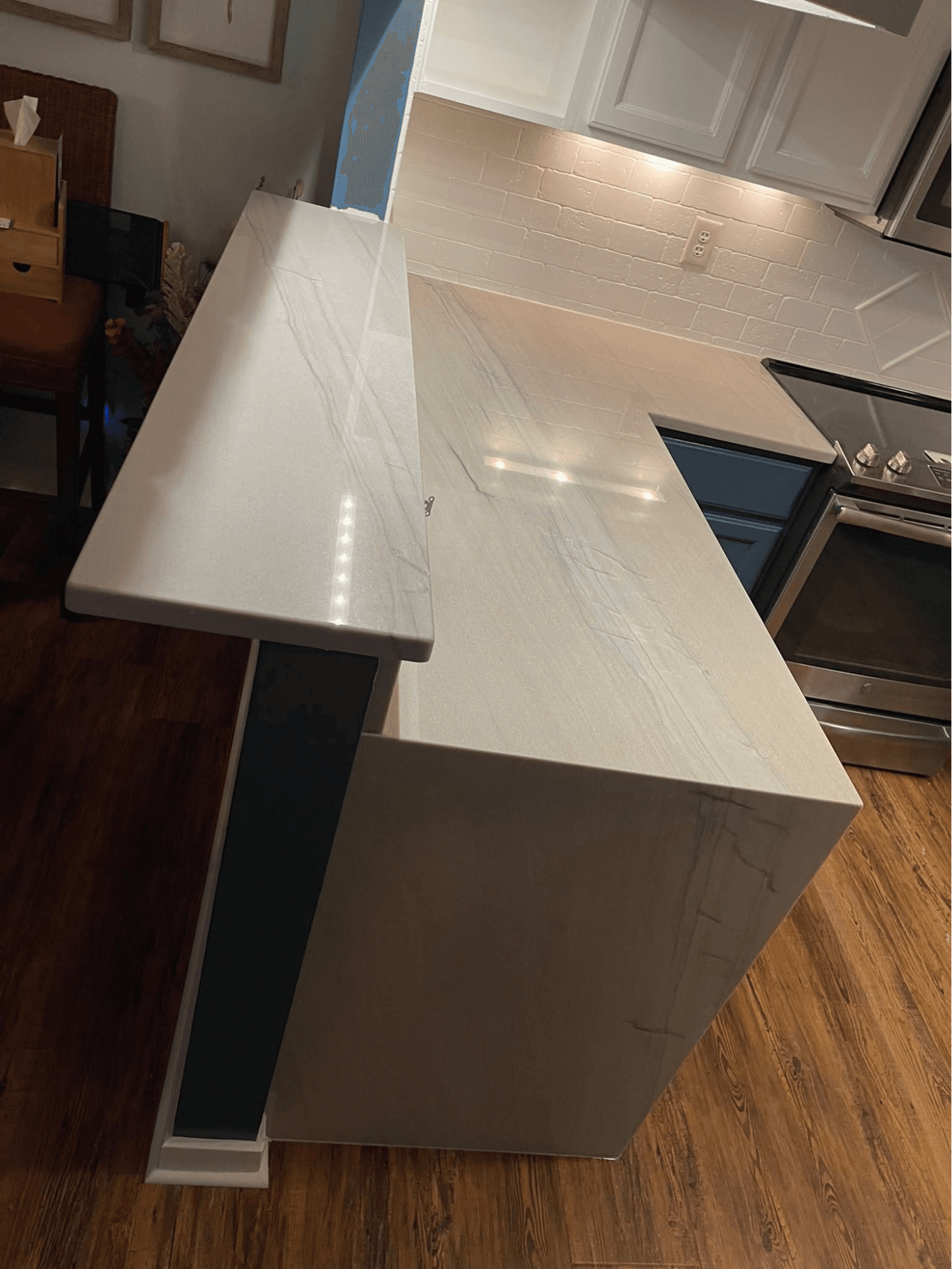
Comparison of the Most Durable Countertop Materials
Granite
Granite is one of the most trusted choices for durable countertops.
It is strong, heat resistant, scratch resistant, and naturally beautiful. Each slab has unique mineral patterns, which gives the surface character and depth.
When properly sealed, granite also resists stains and moisture well. It is a strong choice for kitchens, bathrooms, islands, and high-use areas.
Quartz
Quartz is an engineered surface made from quartz particles, resins, and pigments.
It is non-porous, low maintenance, and resistant to stains, moisture, and bacteria. This makes it very practical for busy households.
Quartz does not need sealing, but it should be protected from direct high heat. It is a good choice for kitchens, bathrooms, and laundry rooms where easy cleaning matters.
Quartzite
Quartzite is a premium natural stone known for strength and elegant beauty.
It often looks similar to marble but performs better in terms of scratch and heat resistance. This makes it a strong option for homeowners who want a high-end look with better durability.
Quartzite usually needs sealing, but with proper care, it can last for many years.
Soapstone
Soapstone is a dense stone with a smooth, soft feel.
It resists heat well and is often used in kitchens, labs, and rustic interiors. It does not stain easily, but it can scratch more easily than granite or quartzite.
Some homeowners like the natural aging process of soapstone, while others prefer a surface that keeps a more polished look.
Marble
Marble is elegant and timeless, but it is not the most durable choice for every home.
It can scratch, stain, and etch more easily than granite, quartz, or quartzite. Acidic products like lemon juice, vinegar, and some cleaners can dull the surface.
Marble works best for homeowners who love its beauty and are comfortable with regular care.
Laminate
Laminate is budget-friendly and available in many colors and patterns.
It is easy to clean, but it is less resistant to heat, scratches, and impact than stone or quartz. It can work well in low-use areas or projects with a limited budget.
However, it may not offer the same long-term value as premium surfaces.
Solid Surface
Solid surface countertops have a smooth and consistent look.
They are non-porous and can be repaired more easily than some other materials. Small scratches can often be buffed out.
They are not as heat resistant as stone, so hot pans and appliances should not be placed directly on the surface.
Butcher Block
Butcher block brings warmth and natural texture.
It works well in farmhouse, traditional, and cozy kitchen designs. However, wood requires regular sealing or oiling to protect against moisture and stains.
It can scratch and dent, but some homeowners like that it can be sanded and refinished.
Which Countertop Is Best for Different Areas?
Kitchens
Kitchens need strong surfaces that resist heat, stains, scratches, and daily wear.
Granite, quartz, and quartzite are usually the strongest choices. They work well for food prep, cooking, cleaning, and family activity.
For a busy kitchen, choose a material that balances strength, maintenance, and style.
Bathrooms
Bathrooms need moisture-resistant surfaces.
Quartz is a practical choice because it is non-porous and easy to clean. Granite and quartzite can also perform well when sealed correctly.
Marble can create a luxury look, but it needs more care to protect against stains and etching.
Laundry Rooms
Laundry rooms need surfaces that can handle water, detergents, and cleaning products.
Quartz and solid surface are good choices because they are easy to clean. Granite can also work well when properly sealed.
The best option should support both storage and daily tasks.
Outdoor Kitchens
Outdoor kitchens need materials that can handle heat, weather, and sunlight.
Granite is often one of the best choices for outdoor use. Some quartzite materials may also work, depending on the specific stone and installation conditions.
Quartz is usually not recommended for outdoor areas because UV exposure can affect the color over time.
High-Traffic Areas
High-traffic spaces need strong and low-maintenance surfaces.
Granite, quartz, and quartzite are good choices for homes with children, pets, frequent cooking, or regular entertaining. These materials can support everyday use while still adding beauty to the home design.
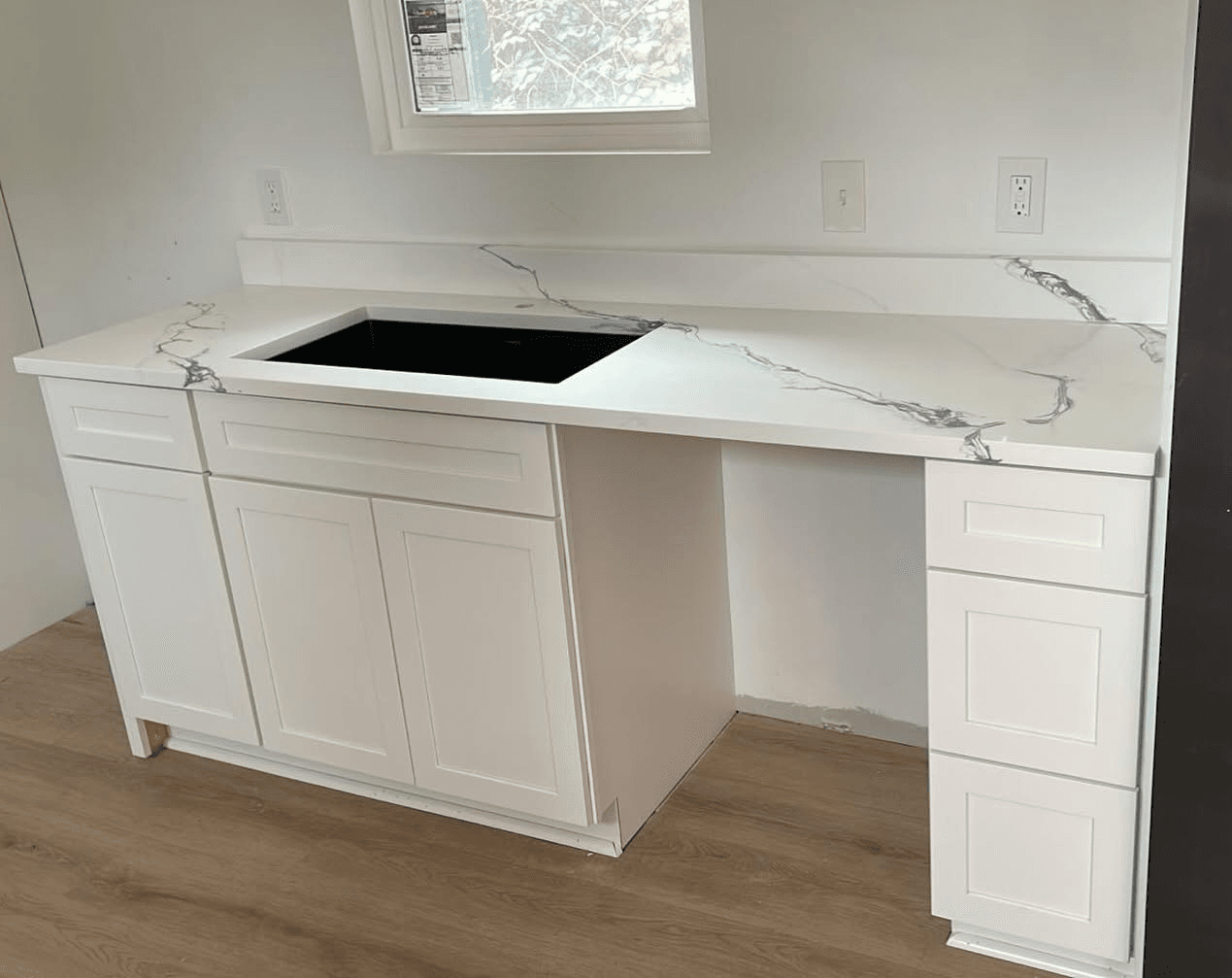
How to Extend the Life of Any Countertop
Clean With the Right Products
Use mild soap, warm water, and a soft cloth for daily cleaning.
Avoid harsh chemicals, abrasive pads, and acidic cleaners unless they are approved for the specific surface. The wrong cleaner can damage finishes, sealers, or natural materials.
Good cleaning habits help preserve the surface for years.
Use Cutting Boards and Trivets
Even strong countertops need protection.
Use cutting boards when preparing food. Use trivets or hot pads under hot pans, slow cookers, and heat-producing appliances.
These simple habits reduce scratches, burn marks, and surface stress.
Seal Stone When Needed
Some stone surfaces need periodic sealing.
Granite, marble, quartzite, and some other stone materials may need sealing to help protect against stains and moisture. The schedule depends on the stone type, finish, and daily use.
A professional can help homeowners understand the right care plan.
Wipe Spills Quickly
Spills should be cleaned quickly, especially on stone and wood surfaces.
Coffee, wine, oil, juice, cosmetics, and acidic products can leave marks if they sit too long. Fast cleanup helps prevent stains and protects the finish.
This is a simple way to extend the life of countertops surfaces in busy homes.
Work With East Coast Granite of Upstate
East Coast Granite of Upstate offers a wide selection of granite, quartz, quartzite, marble, and other premium surfaces.
The team helps homeowners compare materials, understand maintenance needs, and choose a surface that fits the room, budget, and lifestyle. Professional measuring, fabrication, and installation also help ensure a strong, accurate, and long-lasting result.
If you are planning a countertop upgrade, contact East Coast Granite of Upstate to explore materials and find the right surface for your home.