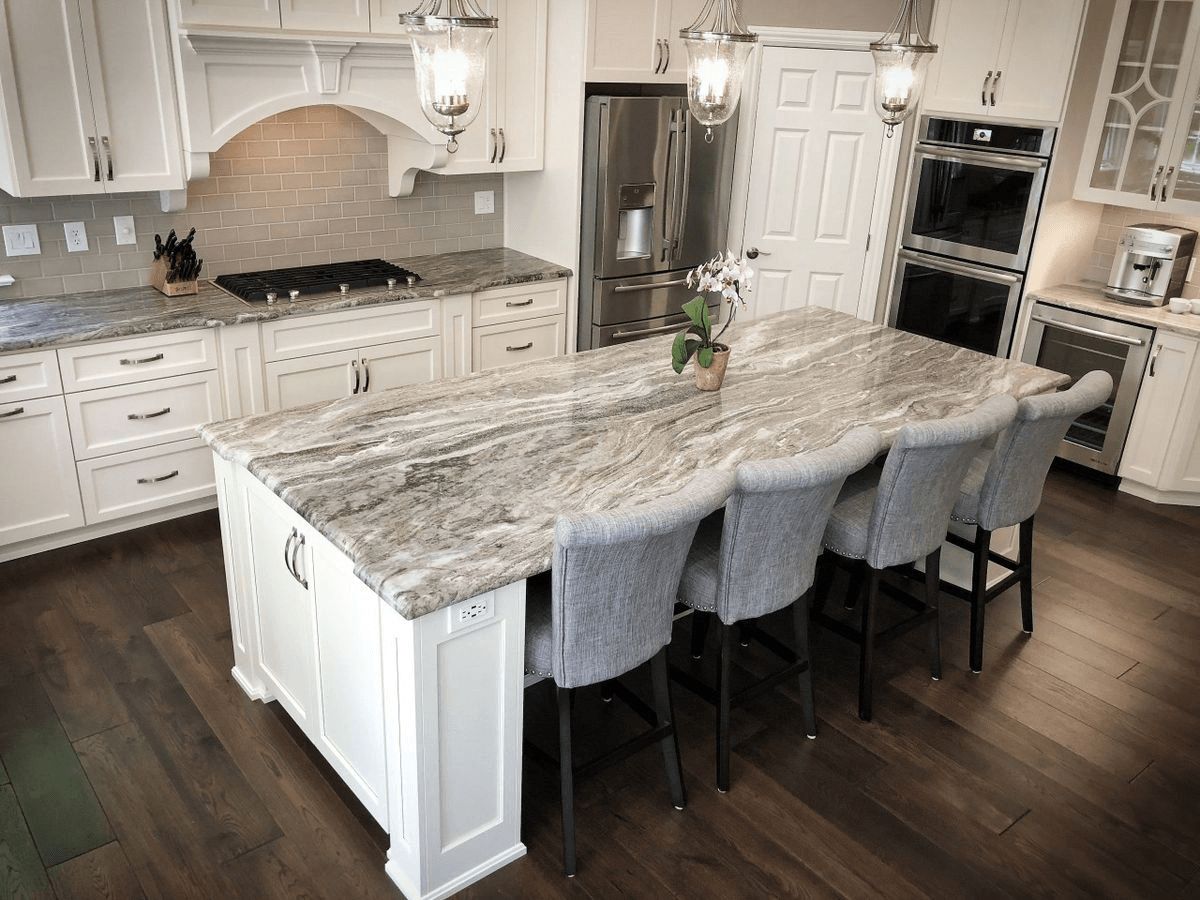
Durability is one of the most important factors South Carolina homeowners consider when choosing a countertop. A kitchen surface has to handle cooking, cleaning, spills, heat, and everyday family activity.
In the Upstate region, many homes need surfaces that can stand up to busy routines and local conditions. Humidity, frequent cooking, and active households make long-lasting materials especially valuable.
Many products are marketed as durable countertops, but not every option performs the same way. Some materials are better for heavy use. Others are better for style, light use, or specific design goals.
This guide will help you compare the strongest options and understand which surface may fit your home best. ECG of Upstate can help you review materials, ask the right questions, and choose a countertop with confidence.
Key Factors That Affect Countertop Durability
Hardness
Hardness affects how well a countertop resists surface damage. Harder materials are often better at handling daily use, heavy cookware, and frequent meal prep.
Granite and quartzite are strong natural options. Quartz is also highly durable because it is made as an engineered stone with a consistent structure.
A harder surface can help reduce visible wear over time, especially in a busy kitchen.
Scratch Resistance
Scratch resistance matters if you cook often or use your countertop as a main prep area.
Some surfaces are better at resisting marks from utensils, dishes, and small appliances. Still, it is always best to use cutting boards instead of cutting directly on the countertop.
Even strong stone countertops can benefit from simple habits that protect the finish.
Heat Resistance
Heat resistance is important in kitchens where hot pans, baking trays, and small appliances are used often.
Granite and quartzite are known for handling heat well. Soapstone is also valued for heat resistance. Quartz is durable, but it is still best to use trivets because high heat can affect the resin inside the material.
A heat-resistant surface gives homeowners more flexibility during daily cooking.
Stain Resistance
Stain resistance depends on the material and how the surface is maintained.
Quartz countertops are non-porous, so they are easy to clean and do not need sealing. Granite and quartzite may need sealing to help protect against stains.
In South Carolina kitchens, where daily cooking and family meals are common, easy cleaning is a major advantage.
Impact Resistance
A countertop also needs to handle impact from pots, pans, dishes, and other kitchen items.
Strong materials can resist normal daily use, but sharp impact on edges or corners can still cause chips and scratches. This is why careful use and proper installation both matter.
Choosing the right edge style can also help improve long-term performance.
Maintenance Requirements
Durability is not only about strength. It is also about how easy the material is to care for.
Some surfaces need sealing. Others only need regular cleaning with mild soap and water.
Before selecting a material, homeowners should understand how much maintenance it requires. A surface that fits your routine will be easier to protect over time.
Most Durable Countertop Materials
Quartz
Quartz is one of the most popular choices for homeowners who want durability and easy maintenance.
It is made from natural quartz combined with resins and pigments. This creates a strong and consistent surface that resists stains and daily wear.
Quartz is a good option for busy families because it does not need sealing. It also comes in many colors and patterns, including designs that look like natural stone.
Granite
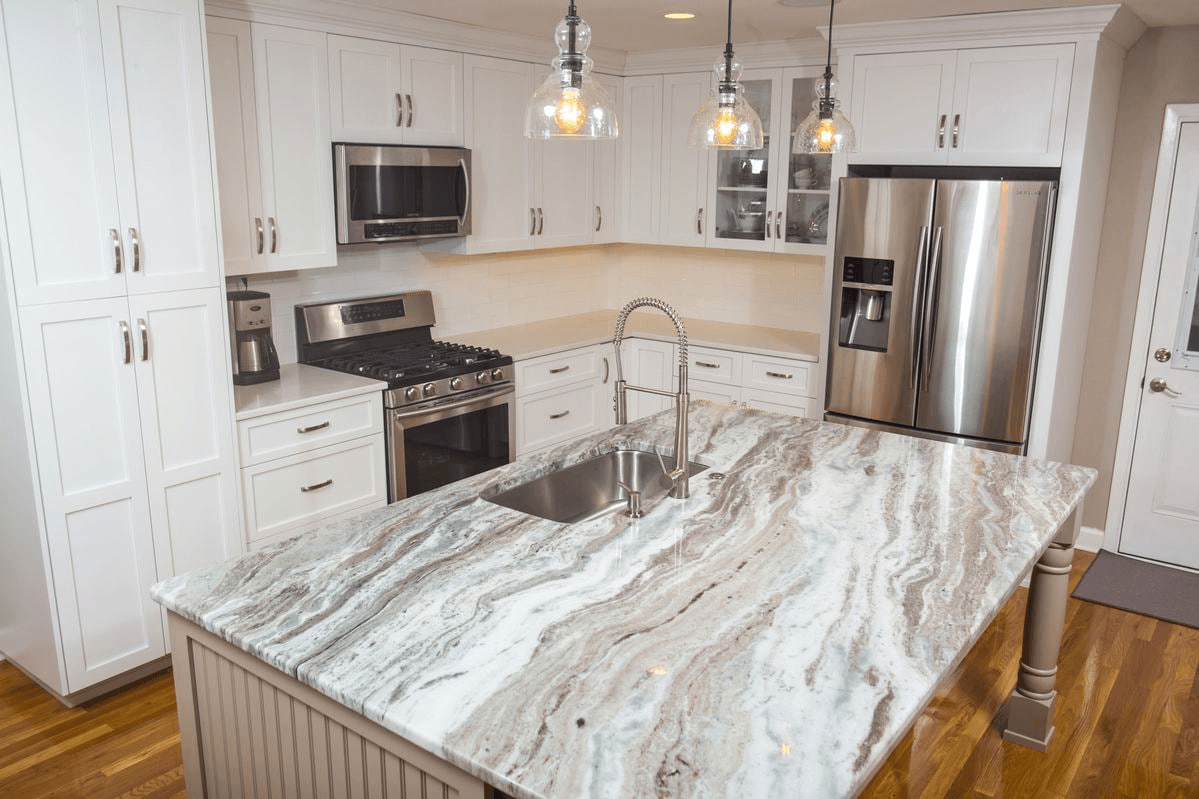
Granite is a classic natural stone choice. It is strong, heat resistant, and available in many colors and patterns.
Each slab is unique, so granite works well for homeowners who want natural character in their kitchen. It can fit both traditional and modern designs.
With proper sealing and care, granite can remain beautiful and functional for many years. This makes it one of the most trusted countertop materials for active homes.
Quartzite
Quartzite is a premium natural stone known for strength and beauty.
It often has movement that looks similar to marble, but it usually performs better for daily kitchen use. Many homeowners choose quartzite when they want an elegant look with better resistance to wear.
Quartzite can be a strong option for homeowners who want durable countertops with a high-end natural appearance.
Solid Surface
Solid surface countertops are smooth, practical, and easy to maintain. They are made from man-made materials and can be shaped into clean, seamless designs.
This option is not as heat resistant as granite or quartzite, but it can be useful in homes where simple cleaning and design flexibility are priorities.
A solid surface can work well in kitchens, bathrooms, laundry rooms, and other areas where a clean and consistent look is important.
Soapstone
Soapstone has a soft matte look and a smooth feel. It is usually found in darker tones such as gray, charcoal, or green-gray.
It is naturally heat resistant and has a warm, traditional appearance. Over time, soapstone develops a patina, which some homeowners love.
It can show marks more easily than some other materials, but many people see this as part of its character.
Comparing the Strongest Options
When comparing stone countertops, granite and quartzite are often selected for natural strength and heat resistance.
Quartz is a strong choice for low maintenance and stain resistance. Solid surface is useful for homeowners who want a smooth look and easy repair options.
The best choice depends on how you use your kitchen, how much maintenance you want, and which look fits your home.
Trends in South Carolina Kitchen Countertops
Low-Maintenance Surfaces
Many South Carolina homeowners want surfaces that are easy to clean and simple to maintain.
Quartz and other low-maintenance options are popular because they support busy routines. Families want countertops that can handle meals, homework, gatherings, and daily use without constant care.
This trend reflects how many homeowners use the kitchen as both a cooking area and a central living space.
Natural-Looking Patterns
Homeowners in the Upstate often like materials that feel warm, natural, and timeless.
Stone-look surfaces with soft veining, subtle movement, and neutral colors are very popular. These patterns work well with both modern and traditional homes.
Natural-looking countertop materials can make a kitchen feel more comfortable and connected to the rest of the home.
Neutral Color Palettes
White, cream, beige, gray, and soft earth tones remain strong choices.
These colors pair well with wood cabinets, painted cabinets, tile backsplashes, and many flooring styles. They also help the kitchen feel open and flexible.
A neutral countertop can support future design updates without making the space feel outdated.
Bold Island Surfaces
Some homeowners choose a more dramatic surface for the kitchen island.
A bold island can create a visual focal point while the perimeter countertops stay simple. This works especially well in open floor plans.
This trend lets homeowners add personality without overwhelming the entire kitchen space.
Matte and Honed Finishes
Glossy finishes are still common, but matte and honed finishes are becoming more popular.
These finishes create a softer and more relaxed look. They can also make natural stone feel more organic.
Homeowners who want a warm and understated kitchen often prefer this type of finish.
Tips for Maximizing Countertop Longevity
Clean With Gentle Products
The right cleaning routine can help any countertop last longer.
Use mild soap, warm water, and a soft cloth for daily cleaning. Avoid harsh chemicals unless the material manufacturer recommends them.
Strong cleaners can damage sealers or dull the surface over time.
Use Cutting Boards
Even strong surfaces should not be used as cutting boards.
Knives can leave marks on some materials and may also become dull faster. A cutting board protects both the countertop and your kitchen tools.
This simple habit can help preserve the finish for years.
Protect Against Heat
Some materials are heat resistant, but it is still smart to use trivets or hot pads.
Sudden heat changes can affect certain surfaces. Quartz, in particular, should be protected from direct high heat.
A small habit like using a trivet can prevent avoidable damage.
Seal Natural Stone When Needed
Some stone countertops need sealing to help protect against stains.
Granite and quartzite may require sealing depending on the specific slab. The schedule can vary based on the material and level of use.
ECG of Upstate can explain whether your selected stone needs sealing and how often it should be done.
Wipe Spills Quickly
Spills are easier to manage when they are cleaned quickly.
Coffee, wine, oil, citrus, and dark sauces can be more difficult to remove if they sit too long. This is especially true for some natural stones.
Quick cleaning helps prevent stains and keeps the surface looking fresh.
Avoid Heavy Impact on Edges
Edges and corners can be more vulnerable than the flat surface.
Avoid dropping heavy pans, tools, or appliances near the edge. Choose an edge style that fits both your design and daily use.
A professional installer can help recommend an edge that supports your lifestyle.
Ask for Material-Specific Care Guidance
Each surface has different care needs.
Quartz, granite, quartzite, soapstone, and solid surface materials should not all be treated the same way. The best cleaner or maintenance routine depends on the material.
Before installation, ask for product-specific care instructions. This helps you protect your investment from the start.
Work With ECG of Upstate
The right countertop should fit your design, budget, and household routine.
Whether you prefer quartz, granite, quartzite, soapstone, or another durable option, ECG of Upstate can help you make a confident choice.
With the right material and proper care, your countertop can stay beautiful and useful for many years.