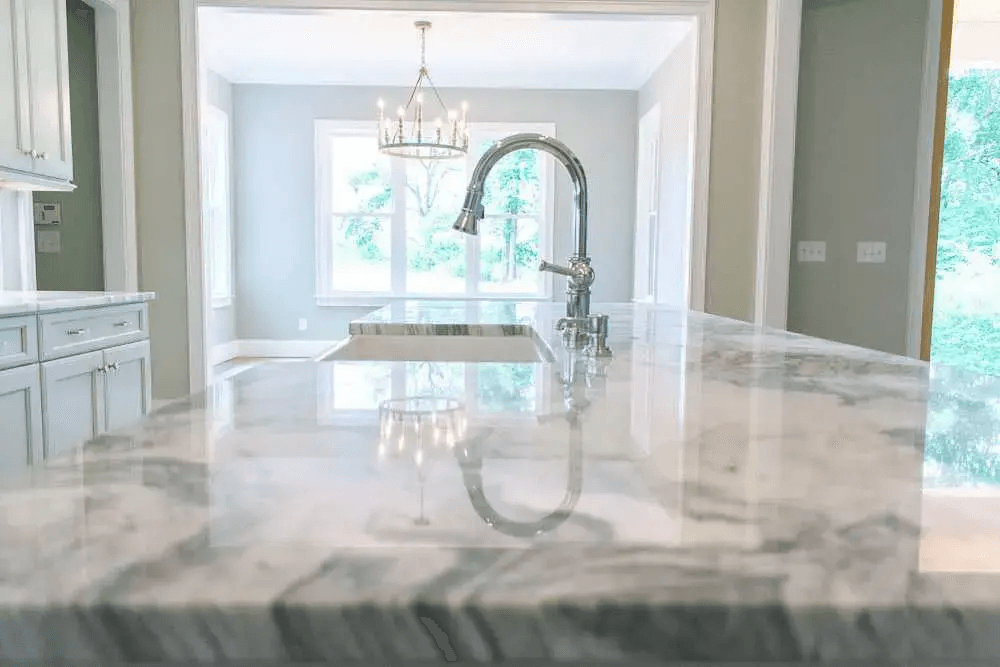
Marble countertops are popular because they bring elegance, natural veining, and timeless character to kitchens and bathrooms. Each slab has its own movement and color variation, which makes marble a distinctive choice for homeowners who love natural materials.
Even though marble is durable, cutting directly on it is not recommended. Knives can scratch the surface, damage the finish, and become dull faster. The better choice is to use a dedicated cutting board for all food preparation.
Marble is a natural stone, but it is softer and more sensitive than some other countertop materials. It can scratch, etch, or stain if it is not used and cleaned correctly.
This guide explains the risks of countertop cutting on marble, how knives can affect the surface, how to protect it from damage, and how to clean it safely after food preparation.
What Happens If You Cut Directly on Marble?
Surface Scratches
Cutting directly on marble can leave scratches or fine marks. These marks may be more visible on polished marble because the glossy finish reflects light.
Finish Damage
Repeated marble cutting can gradually affect the smooth finish. Over time, the surface may look dull in areas where knives are used often.
Dull Knife Blades
Marble countertops can also dull knives. A hard stone surface is not ideal for maintaining sharp blades, so using it as a cutting surface is bad for both the countertop and the knife.
Acidic Foods Create Extra Risk
Lemon juice, vinegar, wine, tomato products, and other acidic foods can cause etching if they stay on marble. If cutting food directly on the counter, the risk becomes even higher because juices can spread across the surface.
A Cutting Board Is the Better Choice
A cutting board protects both the stone and the knife. It is a simple habit that helps preserve the countertop's appearance and makes food preparation easier.
Can Knives Scratch Marble?
Knives can scratch marble, especially with repeated pressure or frequent use in the same area. The risk depends on the type of marble, the finish, and how forcefully the knife is used.
A polished finish may show scratches and dull areas more clearly than a honed finish. This does not mean honed marble cannot be damaged, but small marks may be less visible.
Marble should be treated as a food-preparation surface, not a replacement for a cutting board. It is beautiful and functional, but it needs basic protection during daily use.
Homeowners who invest in premium countertop slabs should avoid habits that shorten the life of the surface. Cutting boards, trivets, and gentle cleaning are simple ways to protect the material.

How to Protect Marble From Damage
Use Cutting Boards
Cutting boards should be used for all slicing, chopping, and meal preparation. This helps prevent scratches and protects knife blades.
Use Trivets and Heat Pads
Hot cookware should not sit directly on marble. Use trivets or heat-resistant pads under pans, baking sheets, and heated appliances.
Wipe Spills Promptly
Acidic spills should be cleaned quickly. Lemon, vinegar, wine, coffee, and tomato-based foods can dull or etch the surface if left too long.
Clean With Safe Products
Use pH-neutral, marble-safe cleaners and soft cloths. Avoid vinegar, bleach, abrasive powders, and rough scrubbers.
Seal When Needed
Sealing can help protect marble from stains, but it does not make the surface completely stain-proof or etch-proof. Regular maintenance is still important.
How to Clean After Food Preparation
Remove Crumbs and Residue
After cooking, wipe away crumbs, grease, and food residue with a soft microfiber cloth. This helps prevent buildup and keeps the surface clean.
Use Mild Cleaning Solutions
Use warm water with mild soap or a pH-neutral stone cleaner. Rinse the area with clean water and dry it with a soft cloth to prevent streaks.
Avoid Harsh Cleaners
Do not use acidic products, abrasive pads, or strong chemicals. These can damage the finish and make the surface look worn.
Compare Marble With Other Materials
Marble offers a unique look that an engineered material cannot fully match. However, it requires more care than some stone countertops, quartz, or other surfaces.
East Coast Granite of Upstate helps homeowners in its service areas compare marble, granite, quartz, and other surfaces. The team can provide professional guidance on selecting, maintaining, and caring for marble so it stays beautiful for years.